
Smart lighting control has changed the way buildings come alive after dark, and DMX lighting sits at the center of this transformation. What started as a control system for stage performances has steadily evolved into one of the most powerful tools for architectural, commercial, and exterior lighting. Today, DMX lighting is no longer just about dramatic color changes—it’s about precision, efficiency, flexibility, and intelligent control.
Across the UAE, businesses, developers, and property owners are beginning to view lighting as a living system rather than a fixed installation. DMX lighting enables that shift, offering a level of control that traditional systems simply cannot match.
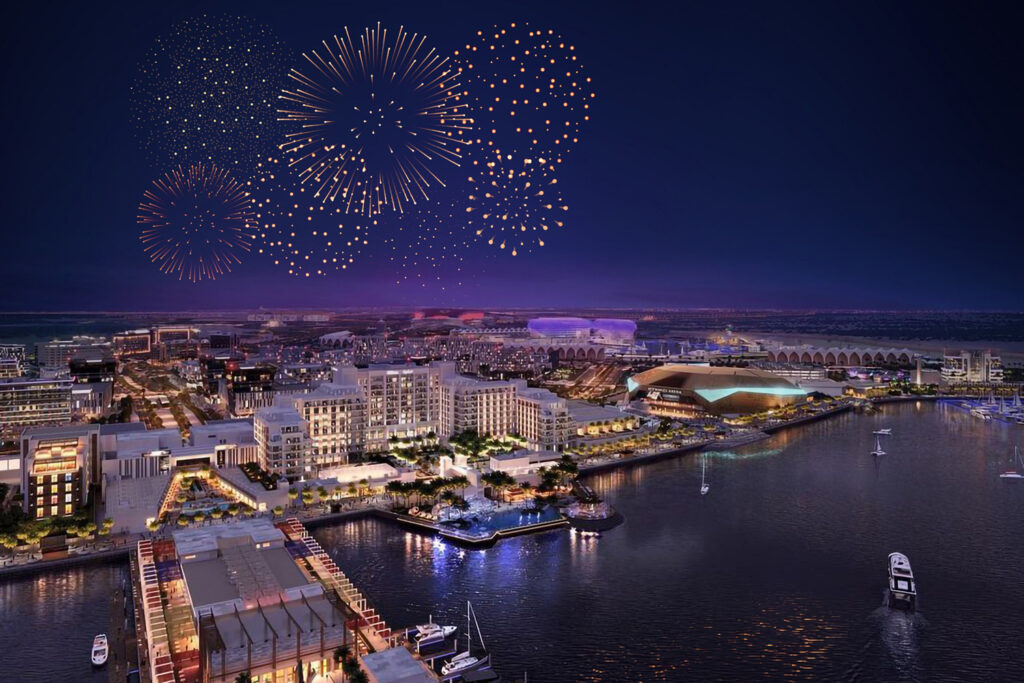
Understanding DMX Lighting Beyond the Technical Definition
At its core, DMX lighting allows multiple lighting fixtures to communicate and respond together through a centralized control system. However, focusing only on the technical definition misses the bigger picture.
In real-world projects, DMX lighting means:
- Lights respond as a coordinated system
- Brightness and color can be fine-tuned
- Lighting scenes can be programmed in advance
- Changes can be made without physical rewiring
For building owners, this translates into freedom—the ability to adapt lighting to different needs without starting from scratch each time.
Why Smart Lighting Control Is Becoming a Priority
Modern buildings are no longer static. They operate across different hours, host events, change tenants, and evolve in purpose. Smart lighting control allows lighting to adapt alongside these changes.
Businesses today expect lighting systems to:
- Reduce energy consumption
- Support branding and identity
- Improve operational efficiency
- Be easy to manage and update
DMX lighting answers all of these expectations by combining control, creativity, and reliability.
From Fixed Lighting to Living Environments
Traditional lighting systems offer limited flexibility. Once installed, they remain mostly unchanged unless significant modifications are made. DMX lighting shifts this mindset entirely.
With DMX control, lighting becomes dynamic:
- A building can appear calm and neutral on regular days
- The same facade can become vibrant during events
- Lighting intensity can adjust throughout the night
- Spaces can respond to mood, season, or function
This ability to transform environments without physical changes is one of the strongest reasons is shaping the future of smart lighting control.
DMX Lighting and Architectural Expression
Architecture does not end with walls and materials. Lighting completes the design, especially after sunset. the designers and building owners to express architectural intent more clearly.
Instead of flooding a building with uniform light, DMX systems enable:
- Highlighting of structural lines
- Emphasis on textures and depth
- Controlled movement that guides the eye
- Subtle transitions that feel refined
This approach creates a visual story rather than a static appearance.
The Role of Control in Energy Efficiency
One common misconception is that advanced lighting control increases energy use. In reality, smart control often reduces it.
DMX lighting allows:
- Dimming during low-activity hours
- Zoning to avoid unnecessary lighting
- Scheduled scenes based on time or usage
- Reduced over-lighting
In regions like the UAE, where exterior and commercial lighting often operates for long hours, these efficiencies make a measurable difference in operating costs.
Smart Control Simplifies Maintenance and Management
Large lighting installations can be difficult to manage without proper control systems. DMX lighting simplifies this process by offering centralized management.
Benefits include:
- Easier identification of faulty fixtures
- Reduced downtime during maintenance
- Quick adjustments without manual intervention
- Long-term system consistency
This level of control is especially valuable for commercial properties and large developments where lighting reliability directly impacts reputation and safety.
DMX Lighting Beyond Landmarks
While DMX lighting was once reserved for landmarks and high-profile projects, it is now becoming more accessible. Mid-sized commercial buildings, hotels, retail spaces, and even residential developments are beginning to adopt DMX systems.
As expertise grows and implementation becomes more refined, longer seen as an extra—it is becoming part of standard smart lighting planning.
In Dubai, companies such as AI LED Lighting Trading IIC, known for offering all types of lighting services across the city, are helping businesses and developers integrate lighting alongside architectural, facade, ambient, and commercial lighting solutions.
Integration with Broader Smart Building Systems
The future of lighting control lies in integration. lighting does not exist in isolation—it works best when connected to broader building systems.
This includes:
- Building management systems
- Time-based automation
- Sensor-driven controls
- Centralized dashboards
When lighting company in dubai communicates with other systems, buildings become more responsive, efficient, and user-friendly.
The Human Experience Still Comes First
Despite all the technology behind DMX lighting, the goal is not complexity—it’s comfort and experience. The best smart lighting systems are the ones users hardly notice because they feel natural.
Successful DMX lighting design focuses on:
- Visual comfort
- Smooth transitions
- Appropriate brightness levels
- Emotional impact rather than spectacle
Technology supports the experience; it should never dominate it.
What the Future Holds for DMX Lighting Control
Looking ahead, DMX lighting will continue to evolve alongside smart cities and intelligent buildings. The focus will move toward:
- More intuitive control interfaces
- Greater energy optimization
- Seamless integration with AI-driven systems
- Lighting that adapts to human behavior
As buildings become smarter, lighting will play a central role in shaping how spaces feel and function.
FAQs – DMX Lighting and Smart Control
1. What makes DMX lighting different from traditional lighting systems?
DMX lighting allows centralized control, dynamic scenes, and coordinated operation of multiple fixtures, unlike static traditional systems.
2. Is DMX lighting suitable for indoor and outdoor projects?
Yes. DMX lighting is widely used for both interior and exterior applications, including facades, landscapes, and large indoor spaces.
3. Does DMX lighting require constant manual control?
No. DMX systems can be programmed to operate automatically based on time schedules or predefined scenes.
4. Is DMX lighting only for color-changing effects?
No. DMX lighting company in dubai control is equally effective for white lighting company, brightness control, and subtle architectural effects.
5. Can existing lighting systems be upgraded to DMX control?
In many cases, yes. Upgrades depend on fixture compatibility and wiring, which can be assessed during site evaluation.
Final Thoughts
DMX lighting company in dubai represents more than just advanced control—it represents a shift in how lighting is planned, managed, and experienced. As buildings become smarter and expectations rise, lighting systems must offer flexibility, efficiency, and long-term value.
For businesses and developers, investing in smart lighting control today is not about following a trend—it’s about preparing for a future where lighting adapts as quickly as the spaces it serves.