
Choosing the right LED exterior facade lights for properties in Dubai requires careful consideration of the region’s unique climatic conditions and architectural styles. With its extreme temperatures, high humidity, and occasional sandstorms, Dubai poses specific challenges for outdoor lighting solutions. As more property owners and developers look to enhance the aesthetic appeal and functionality of their buildings, understanding the key features and requirements of LED lighting becomes essential. This article will guide you through the crucial factors to consider when selecting LED exterior facade lights that not only withstand Dubai’s harsh climate but also contribute to energy efficiency and sustainability.
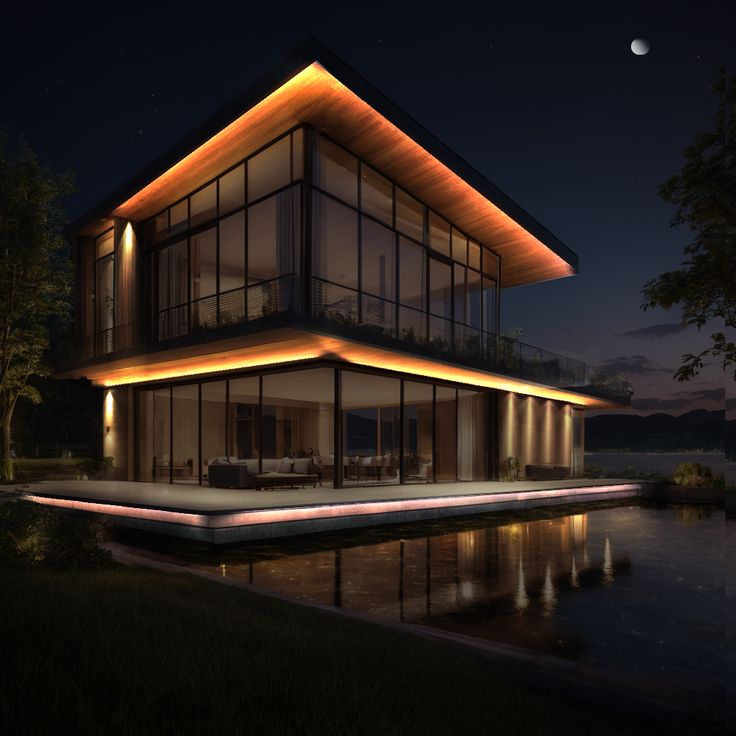
Understanding Dubai’s Climate and Its Impact on Lighting
Overview of Dubai’s Weather Conditions
Dubai is known for its sun-soaked skies and blistering heat, with summer temperatures often soaring to a sweltering 50°C (122°F). The city boasts a desert climate, which means hot, dry summers and mild winters, with very little rainfall. This relentless sunshine can be fabulous for beach days, but it poses unique challenges for outdoor lighting solutions.
Implications for Outdoor Lighting
When selecting LED exterior facade lights for Dubai, it’s crucial to consider factors like UV resistance and heat dissipation. Lights must be sturdy enough to withstand the sweltering temperatures and not fizzle out after a few months of exposure to relentless sun. Furthermore, the intense brightness can wash out colors, so choosing lights designed to maintain vibrancy in high-contrast conditions is essential.
Key Features of LED Exterior Facade Lights
Brightness and Lumens Output
Brightness is key! Measured in lumens, this number indicates how much visible light is emitted by the fixture. For LED exterior facade lights in Dubai, you’ll want to opt for a higher lumen output to ensure your architecture shines even under the relentless Gulf sun. Aim for a balance—too little light, and your building disappears; too much, and you risk blinding passersby!
Beam Angle and Coverage
A light’s beam angle determines how wide or narrow the illumination is. For LED Exterior facade lights, a wider beam angle can create a more even wash of light across surfaces, enhancing your building’s features. However, for highlighting specific architectural details, a narrower beam might be more suitable. Think of it as choosing between a broad brush or a fine-tipped pen for your masterpiece.
Smart Lighting Options
In a city that embraces innovation, why not opt for smart LED exterior facade lights? These nifty devices can be managed via your smartphone or integrated into larger home automation systems. Control brightness, color, and scheduling from the palm of your hand— because what’s better than adjusting your lights in your PJs while lounging on the couch?
Energy Efficiency and Sustainability Considerations
Benefits of LED Technology
LED exterior facade lights are the eco-heroes of the lighting world, using up to 80% less energy than traditional incandescent bulbs. They have a longer lifespan, reducing the frequency of replacements and waste. Plus, they produce less heat, meaning less stress on your air conditioning— a win-win in Dubai’s heat!
Comparing LED to Traditional Lighting
When pitted against traditional lighting options, LED exterior facade lights come out on top like a champion in a bout. Incandescent lights not only consume more power, but they also generate copious amounts of heat—leading to more air conditioning woes. Who needs that? LEDs, on the other hand, pack a punch in brightness while keeping energy bills at bay (and saving the planet one light at a time!).
Environmental Impact and Sustainability Goals
Since Dubai has ambitious sustainability goals, choosing eco-friendly lighting solutions like LED exterior facade lights aligns perfectly with the city’s vision. By reducing energy consumption and relying on materials that are recyclable, you do your part in creating a greener future while giving your building a stunning glow. It’s like saving the world and looking fabulous all at once!
Choosing the Right Color Temperature for Aesthetic Appeal
Understanding Color Temperature Measurements
Color temperature is measured in Kelvins (K) and plays a significant role in how your led exterior facade lights appears at night. Lower temperatures (around 2700K) emit a warm, cozy glow, while higher temperatures (above 5000K) give off a crisp, daylight-like effect. The choice of color temp can set the mood of your outdoor space—think of it as dressing your building in the perfect lighting outfit!
Warm vs. Cool Lighting Effects
Warm led exterior facade lights has that inviting feel—perfect for residential areas or hospitality settings, creating a cozy ambiance. In contrast, cool lighting can showcase modern architecture dramatically, enhancing sharp lines and features. Balancing these effects can transform your building into a welcoming or eye-catching landmark, depending on your strategy!
Color temperature shapes how architecture is perceived—warm tones add softness and intimacy, while cool tones highlight modern, sleek designs. For Dubai’s harsh sun and sandstorms, choose LED facade lights with at least an IP65 rating to ensure strong protection against dust and water.
Materials and Build Quality
Quality matters more than a fancy paint job when it comes to LED exterior facade lights. Opt for materials like corrosion-resistant aluminum or high-grade polycarbonate. Both can withstand the sizzling temperatures and grit of the desert environment without turning into a rusty relic. Check for finishes that can resist UV rays too; otherwise, you’ll find your beautiful lights fading faster than your beach tan!
Long-term Performance in Harsh Conditions
Lights that can handle the heat in Dubai need to operate efficiently despite extreme temperatures. Look for LEDs with thermal management features, as these prevent overheating and extend lifespan. Those that prioritize heat dissipation will last longer, ensuring you won’t be replacing burnt-out bulbs every few months. A reliable warranty can also be a good indicator of long-term performance, so don’t be shy to ask manufacturers about their guarantees!
Installation Options and Considerations
Professional Installation vs. DIY
While the DIY approach might sound appealing, especially when you’re channeling your inner handyman, installation can be tricky, especially for exterior lighting. Hiring professionals ensures that your lights are mounted correctly and securely, sparing you from the anxiety of watching your fixtures dangle precariously. Plus, they’ll know sneaky tricks to comply with local regulations. If you prefer a weekend project, just remember—safety first; don’t go climbing ladders like a circus bear!
Placement and Positioning Strategies
How you position your lights can make or break your facade’s aesthetic appeal. Dramatic angles can highlight architectural features, while strategic placements can ensure pathways are illuminated without making your neighborhood look like a runway at a bad fashion show. Consider using a mixture of uplights and downlights to create depth and interest. Just be sure the lights don’t shine directly into your neighbor’s windows—unless you want to spark some late-night conversations!
Safety Regulations and Compliance
Before you start drilling holes and illuminating the night, check the local building codes and regulations regarding exterior lighting. These rules are designed to keep neighborhoods safe and protect against light pollution—nobody wants their lights to become the cause of neighborhood disputes! Always ensure your fixtures are compliant with local laws, and keep in mind that professional installers usually have an easier time navigating these pesky regulations.
Maintenance and Longevity of LED Lights
Routine Maintenance Best Practices
Just because LEDs are low-maintenance doesn’t mean they get a free pass. Regularly inspect your fixtures for any dust build-up or debris, especially after dust storms—think of it as a spa day for your lights. A quick wipe down with a soft cloth can do wonders to maintain brightness. And if you’re feeling ambitious, check the connections and seals for wear and tear, because nobody likes a surprise outage in the middle of a night soirée!
Identifying and Troubleshooting Common Issues
No lighting system is perfect, and sometimes issues pop up like unwanted party crashers. If your lights flicker or refuse to turn on, check the connections first. If they’re tight and things are still dim, consider replacing the driver—the brain ohjnf your LED system. Don’t panic; troubleshooting can often be as simple as flipping a switch (or two). Keep a multi-tool handy, and you’ll be the neighborhood lighting guru in no time!
Expected Lifespan of LED Fixtures
LED lights are known for their longevity, and when installed correctly, you can expect them to last anywhere from 25,000 to 50,000 hours—long enough to light your home through multiple holidays and family gatherings. However, factors like heat and moisture can have an impact, so it’s essential to choose fixtures designed for Dubai’s unique climate. Keep an eye on your warranty, too, as many manufacturers provide coverage based on lifespan expectations.
Budgeting and Cost Considerations for LED Lighting
Initial Investment vs. Long-term Savings
Sure, the upfront cost of quality LED exterior lights can make your wallet wince, but think of it as an investment in future savings. LEDs consume significantly less energy compared to traditional bulbs, translating into lower electricity bills and fewer replacements. If you’re strategic about your purchases, you’ll find that those initial dollars will soon pay off—like a financial fairy tale with a happy ending!
Cost of Different LED Options
Not all LEDs are created equal, and the costs can vary based on features, brightness, and design. Basic models can start at a reasonable price, but the more sophisticated options, with smart technology or customizable colors, may leave your wallet feeling a bit lighter. Compare prices and features, and aim for a balance between your aesthetic desires and your budget—after all, you don’t want to blow your budget and then live in the dark!
Potential Incentives and Rebates
Don’t forget to check for local incentives or rebates that may help with the cost of energy-efficient lighting. Some municipalities offer programs to encourage the use of sustainable technology, potentially saving you a chunk of change. Research available options, and you might find that your LED purchase could come with a little financial bonus—it’s like finding cash in your winter coat pocket, but way more useful!In conclusion, selecting the appropriate LED exterior facade lights for Dubai’s climate is essential for both aesthetic appeal and functionality.
By considering factors such as durability, energy efficiency, and maintenance, you can ensure that your villa facade lighting company solutions not only enhance your property but also withstand the challenges of the local environment. With the right choices, you can create a striking facade that stands the test of time while contributing to a more sustainable future.
FAQ
- How do I determine the appropriate brightness level for my LED facade lights?
To determine the appropriate brightness level, consider the size of the area you want to illuminate, the purpose of the lighting, and the desired ambiance. Lumens output can help guide you; higher lumens are needed for larger spaces or areas requiring more visibility. - What is the average lifespan of LED exterior facade lights?
LED lights typically have a lifespan of 25,000 to 50,000 hours, depending on the quality of the fixture and the operating conditions. Regular maintenance can help maximize their longevity. - Are LED facade lights resistant to sand and dust in Dubai?
Yes, many LED facade lights come with high IP ratings, indicating their resistance to dust and moisture. It’s important to choose fixtures specifically designed for outdoor use to ensure they can withstand Dubai’s sandy and humid conditions. - Can I install LED facade lights myself, or should I hire a professional?
While some may opt for a DIY installation, hiring a professional is recommended to ensure proper placement, compliance with safety regulations, and optimal performance of the lighting system.