
Introduction
A building’s exterior creates the first impression, especially after sunset. Well-planned illumination can highlight architectural features, improve visibility, and give a property a distinctive appearance. Choosing the right facade lighting installation company is therefore important for achieving an attractive, energy-efficient, and long-lasting lighting solution.
From commercial buildings and hotels to residential towers and landmark structures, professional facade lighting can transform an ordinary exterior into an eye-catching architectural feature. With the right combination of facade lighting design, high-quality fixtures, and professional installation, buildings can maintain a strong visual identity both day and night.
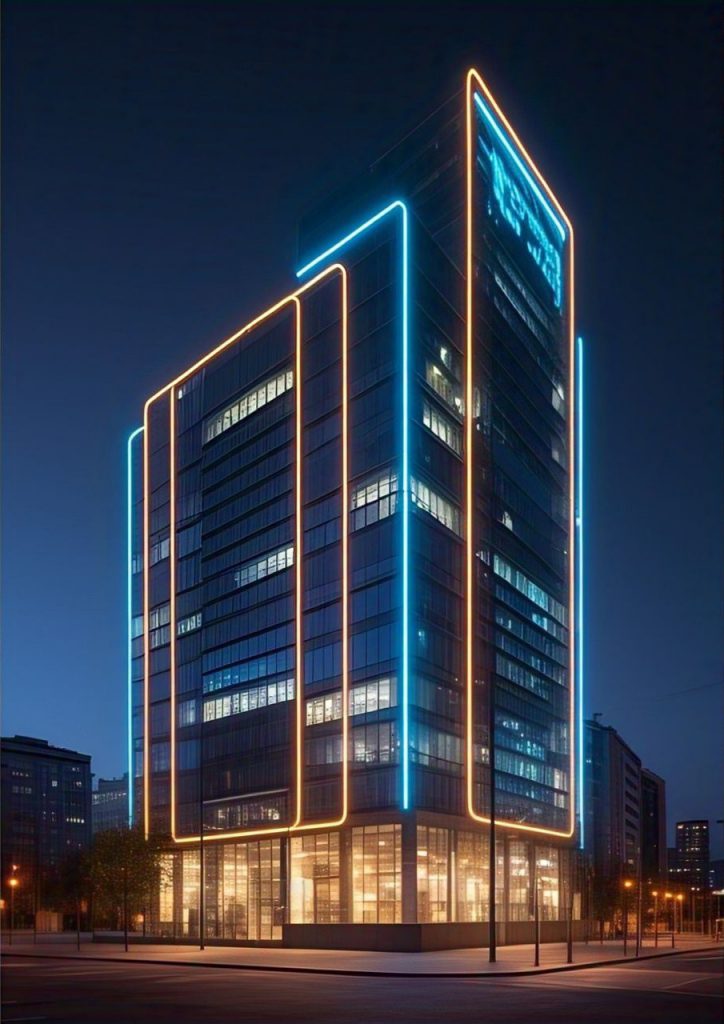
For businesses in Dubai and across the UAE, working with an experienced lighting specialist can also help ensure that the lighting solution is suitable for the building structure, environment, and project requirements.
What Is Facade Lighting?
Facade lighting is the use of artificial lighting to illuminate the exterior surfaces and architectural elements of a building. The purpose is not simply to make a building brighter but to enhance its shape, texture, proportions, and architectural details.
The facade lighting meaning can vary depending on the project. For some buildings, it may focus on subtle architectural highlighting, while others may use dynamic colours and lighting effects to create a stronger visual statement.
A professional lighting plan considers factors such as:
Building architecture
Exterior materials and textures
Viewing distance
Surrounding environment
Required brightness
Energy consumption
Lighting colour
Fixture positioning
Maintenance requirements
This is why professional planning is essential before starting facade light installation.
Why Choose a Professional Facade Lighting Installation Company?
Facade lighting may appear simple from the outside, but achieving the right result requires technical knowledge and careful planning. A professional facade lighting installation company can manage the project from initial concept and design through installation, testing, and maintenance.
An experienced company can help determine the appropriate lighting fixtures, beam angles, mounting positions, colour temperatures, control systems, and electrical requirements.
Professional installation also reduces the risk of problems such as:
Uneven lighting
Excessive glare
Poor fixture positioning
Visible cables
Water damage
Electrical issues
High energy consumption
Difficult maintenance access
The right installation approach ensures that the lighting complements the architecture rather than overpowering it.
Facade Lighting Installation Process
A professional facade lighting project generally follows several important stages.
- Site Inspection and Assessment
The first step is to understand the building and its surroundings. Lighting professionals inspect the facade, architectural features, installation locations, electrical access, mounting surfaces, and surrounding areas.
They may also consider nearby roads, neighbouring buildings, pedestrian areas, and viewing angles.
This assessment helps the team understand where lighting is required and what type of equipment will be suitable.
- Understanding the Project Requirements
Every property has different objectives. A hotel may want elegant and welcoming illumination, while a commercial tower may require a modern and dynamic appearance.
During this stage, the lighting team discusses:
Desired appearance
Lighting colours
Budget
Energy-efficiency goals
Operating hours
Control requirements
Maintenance expectations
Special lighting effects
Clear requirements help create a lighting solution that matches both the property’s purpose and the client’s expectations.
- Developing the Facade Lighting Design
The next stage is creating the facade lighting design.
Designers determine which architectural elements should be highlighted and how light should interact with the building’s surfaces. Depending on the structure, the design may use uplighting, downlighting, wall washing, grazing, linear lighting, spotlights, or dynamic lighting.
A good design aims to create balance rather than simply adding as many lights as possible.
- Selecting the Right Lighting Fixtures
Choosing the appropriate fixtures is an important part of the project. Factors such as brightness, beam angle, colour temperature, IP rating, durability, energy efficiency, and installation location should be considered.
Outdoor facade lighting fixtures should be suitable for the environmental conditions in which they will operate.
For projects in the UAE, the lighting solution should be selected with the local climate and long-term outdoor performance in mind.
- Positioning and Installation
Once the design and products are approved, installation can begin.
The installation team positions fixtures according to the lighting plan. Depending on the building, lights may be installed on walls, roofs, ledges, columns, structural elements, or other suitable locations.
Professional facade light installation requires careful alignment to ensure that each fixture produces the intended lighting effect.
- Electrical and Control System Installation
Modern facade lighting projects may include automated control systems that allow property owners to manage lighting schedules, colours, brightness, and special effects.
The electrical installation should be planned carefully to provide reliable operation while keeping wiring and equipment organised.
- Testing and Final Adjustment
After installation, the lighting system is tested at night to evaluate the actual effect.
Professionals check:
Brightness
Beam direction
Uniformity
Colour
Glare
Shadows
Fixture alignment
Control systems
Adjustments can then be made to achieve the desired final appearance.
Types of Facade Lighting
Understanding the types of facade lighting can help property owners choose a suitable solution.
Wall Washing
Wall washing distributes light across a large facade surface to create a clean and uniform appearance. It works particularly well for broad architectural surfaces.
Grazing
Grazing places light close to the building surface to highlight textures and architectural details. It can be especially effective on stone, brick, concrete, and textured surfaces.
Uplighting
Uplighting directs illumination upward from the ground or lower sections of the building. It is commonly used to highlight columns, entrances, architectural features, and vertical structures.
Downlighting
Downlighting directs light from above toward lower surfaces. It can provide a subtle and controlled lighting effect.
Linear Facade Lighting
Linear LED fixtures can follow architectural lines and edges. They are useful for modern buildings where clean lines and continuous illumination are part of the design concept.
Dynamic Facade Lighting
Dynamic systems can change colours, brightness, patterns, or sequences. These systems are often used for entertainment venues, hotels, commercial properties, landmarks, and special events.
Benefits of Professional Facade Lighting
Investing in professional facade lighting offers more than an attractive appearance.
- Enhances Architectural Features
Strategically positioned lighting can highlight columns, windows, textures, entrances, rooflines,and other design elements that may not be visible after dark.
- Improves Building Visibility
An illuminated facade makes a property easier to identify during the evening. This can be particularly useful for commercial buildings, hotels, retail properties, and prominent landmarks.
- Creates a Strong Brand Image
Businesses can use exterior lighting as part of their visual identity. Consistent colours and lighting effects can help a building stand out and create a memorable impression.
- Supports Energy Efficiency
Modern LED lighting consumes less energy than many traditional lighting technologies. Professional planning can further improve efficiency by selecting suitable wattage, optics, controls, and operating schedules.
- Increases Aesthetic Appeal
A well-designed facade can completely change the appearance of a property after sunset. Lighting adds depth, contrast, and visual interest to the architecture.
- Supports Safety and Visibility
Appropriate exterior lighting can improve visibility around entrances, pathways, building edges, and other areas. However, lighting should be carefully designed to avoid excessive brightness and glare.
- Provides Long-Term Value
High-quality fixtures combined with professional installation can provide reliable performance and reduce the need for frequent repairs or repositioning.
Expert Tips for Successful Facade Lighting
Choosing the right equipment is only one part of a successful project. Consider these expert tips when planning your facade lighting.
Start With the Architecture
Lighting should enhance the building rather than hide its design. Identify the most important architectural features before deciding where fixtures should be installed.
Avoid Excessive Brightness
More light does not necessarily mean better lighting. Excessive brightness can create glare, visual discomfort, and unnecessary energy consumption.
Select the Right Colour Temperature
Colour temperature can significantly influence the appearance of a building. Warm, neutral, and cool lighting can create different visual effects depending on the architectural materials and project objectives.
Consider Energy Efficiency
LED fixtures and intelligent controls can help reduce energy consumption. Timers, sensors, dimming systems, and programmed schedules can further improve efficiency.
Plan for Maintenance
Facade fixtures are exposed to outdoor conditions. Make sure maintenance access is considered during the design stage so that damaged or malfunctioning fixtures can be serviced efficiently.
Choose Durable Outdoor Fixtures
Outdoor lighting should be designed for long-term performance. Consider factors such as weather resistance, ingress protection, material quality, heat management, and fixture durability.
Test the Lighting at Night
A lighting design that looks perfect during the day may produce a different result after dark. Night-time testing is important for evaluating brightness, shadows, glare, and overall visual balance.
How to Choose the Right Facade Lighting Company in Dubai
There are several acade lighting installation company in UAE, so selecting the right partner requires careful evaluation.
Look for a acade lighting installation company that offers:
Professional lighting design
High-quality LED products
Experienced installation teams
Project-specific solutions
Energy-efficient options
Outdoor-rated fixtures
Reliable control systems
Testing and commissioning
Maintenance support
Experience with commercial and architectural projects
It is also useful to review previous projects and facade lighting services photos before making a decision. Project images can provide an idea of the company’s design quality, installation standards, and experience with different building types.
For Dubai projects, choosing a company with knowledge of local building environments and outdoor conditions can make the overall project smoother.
Why AILED Is a Reliable Choice for Facade Lighting in Dubai
When looking for professional facade lighting solutions, AILED provides lighting expertise for projects in Dubai and across the UAE.
AILED focuses on developing lighting solutions that combine architectural appearance, performance, efficiency, and long-term reliability. From planning and product selection to installation and project execution, the right lighting approach can help transform a building’s exterior into a distinctive visual feature.
Whether you need architectural illumination for a commercial building, hotel, residential property, retail space, or large-scale development, professional planning is essential to achieving the desired result.
The right
facade lighting installation company
can help turn a lighting concept into a practical and visually effective installation.Frequently Asked Questions
1) What does facade lighting mean?
facade lighting installation company means illuminating the exterior of a building to highlight its architectural features, improve visibility, and enhance its appearance after dark.
2) What is the purpose of acade lighting installation company?
The main purpose is to enhance architectural elements, improve nighttime visibility, create visual identity, and make a building more attractive.
3) How much does facade lighting installation cost in Dubai?
The cost depends on factors such as building size, lighting design, number of fixtures, fixture type, installation height, control systems, electrical requirements, and project complexity. A professional site assessment is recommended for an accurate quotation.
4) What are the best types of facade lighting?
The most suitable option depends on the building and design objectives. Wall washing, grazing, uplighting, downlighting, linear lighting, and dynamic lighting are commonly used approaches.
5) Why should I hire a facade lighting installation company?
A professional company can handle lighting design, fixture selection, positioning, electrical installation, testing, and maintenance planning, helping achieve a safer and more consistent result.
6) Can facade lighting installation company be energy efficient?
Yes. LED fixtures, appropriate lighting levels, efficient optics, dimming, timers, and automated controls can help reduce unnecessary energy consumption.