
Smart lighting Dubai solutions are changing how modern buildings manage illumination, comfort, and energy consumption. The goal is not simply to switch lights off more often. Instead, smart lighting systems can adjust brightness, timing, and operation according to how a space is actually being used.
For offices, hotels, retail stores, residential properties, and commercial buildings, this creates an opportunity to reduce unnecessary energy use while maintaining an attractive and comfortable environment. With the right planning, energy efficiency does not have to mean making a building look dim or unwelcoming.
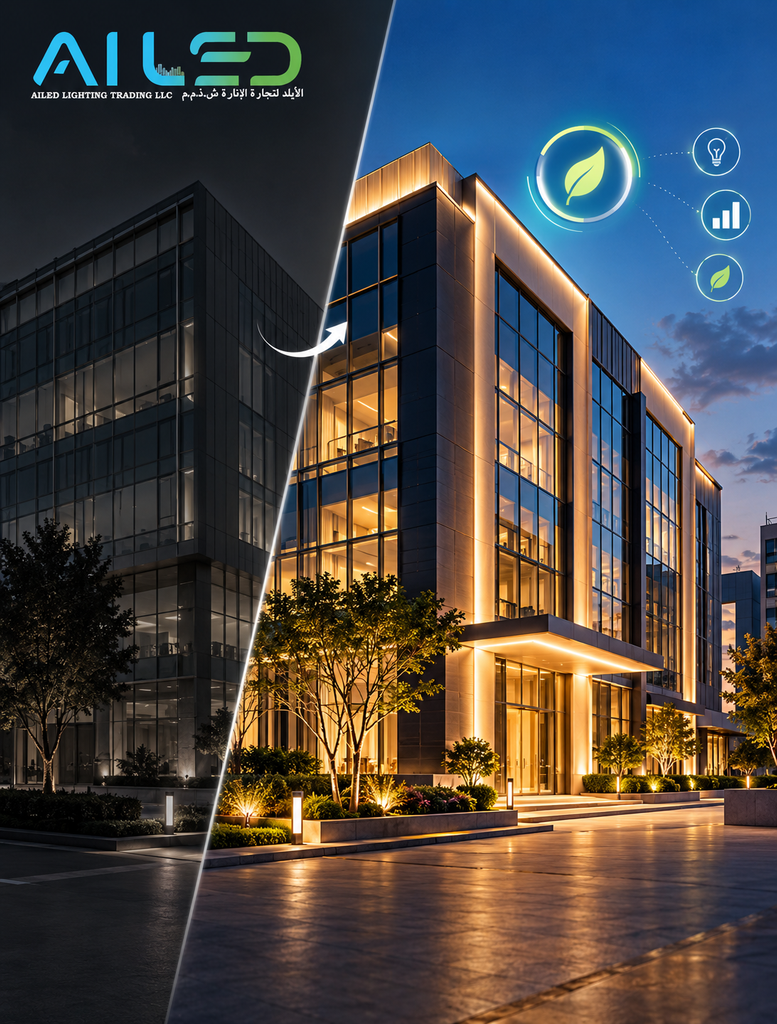
What Is Smart Lighting?
Smart lighting is a lighting system that uses controls, sensors, automation, and connected technology to manage artificial light more intelligently.
Traditional lighting generally operates at a fixed brightness and schedule. Smart systems can respond to factors such as occupancy, daylight levels, time of day, and user preferences.
For example, lights in a meeting room can automatically reduce their brightness when enough natural light enters through the windows. Lights in an unused corridor can also be dimmed or switched off until movement is detected.
This approach helps buildings provide light where and when it is actually needed.
Can Smart Lighting Reduce Energy Waste?
Yes, smart lighting can help reduce energy waste by preventing lights from operating unnecessarily.
A common source of lighting waste is leaving lights at full brightness in spaces that are empty or already receiving sufficient daylight. Smart controls can address this through automated adjustments.
Some common energy-saving functions include:
- Occupancy sensors: Detect whether people are using a particular area.
- Daylight sensors: Adjust artificial lighting according to available natural light.
- Automatic scheduling: Controls lighting according to business hours or programmed requirements.
- Dimming: Reduces brightness instead of completely switching lights off.
- Centralised controls: Allow building managers to monitor and manage multiple lighting zones.
The actual savings will depend on the building, lighting design, operating schedule, equipment, and control strategy. Smart lighting should therefore be planned around the building’s specific requirements rather than treated as a one-size-fits-all solution.
Does Energy Efficiency Make a Building Look Dark?
Not necessarily.
Good lighting design is about providing the right amount of light in the right location, rather than keeping every fixture at maximum brightness throughout the day.
A professionally designed system can use different lighting levels for different areas. For example, a reception area may require attractive and welcoming illumination, while a storage area may need a different lighting level.
Dimming can also help maintain visual comfort. Instead of turning an entire lighting zone off, the system can reduce output when full brightness is unnecessary.
This means energy management and visual appearance can work together when lighting is planned correctly.
How LED Smart Lighting Dubai Solutions Improve Efficiency
LED smart lighting Dubai solutions combine efficient LED technology with intelligent controls.
LED fixtures are designed to provide useful illumination with relatively low energy consumption compared with many older lighting technologies. When LED lighting is combined with automation, the system can become more responsive to actual usage.
For instance, an office could use higher brightness during active working hours and automatically reduce lighting levels in selected areas during periods of low occupancy.
The combination of efficient fixtures and intelligent controls can help reduce unnecessary electricity consumption while supporting a consistent lighting experience.
4 Ways Smart Lighting Can Reduce Unnecessary Energy Use
1. Use Occupancy-Based Lighting
Not every room needs continuous full-power lighting.
Occupancy sensors can detect movement or presence and adjust lighting accordingly. Meeting rooms, corridors, washrooms, storage areas, and other intermittently used spaces can benefit from this approach.
Instead of relying on employees or visitors to remember to switch lights off, automation can handle the adjustment.
2. Make Better Use of Natural Daylight
Buildings with large windows can receive substantial daylight during certain hours.
A smart lighting system can respond to these changing conditions. When sufficient daylight is available, artificial lighting can be reduced rather than continuing at maximum output.
This can create a more balanced indoor environment while avoiding unnecessary energy use.
3. Introduce Automatic Dimming
Dimming is particularly useful when completely switching lights off would affect the appearance or functionality of a space.
A lighting system can maintain a suitable baseline level and increase brightness when additional illumination is required.
This approach can be useful in offices, hospitality environments, commercial spaces, and architectural applications where lighting appearance is an important part of the overall design.
4. Create Lighting Zones
A building does not need to operate every light in the same way.
Zoning allows different areas to have different schedules, brightness levels, and control settings. A smart system can therefore respond to the specific purpose and occupancy pattern of each area.
This can help avoid the common problem of illuminating an entire floor when only a small section is being used.
What Affects Smart Lighting Dubai Cost?
Smart lighting Dubai cost can vary significantly depending on the size and type of project.
Important factors include:
- Number of lighting fixtures
- Type of LED fixtures selected
- Sensors and control devices
- Wireless or wired control systems
- Automation requirements
- Building size and layout
- Integration with existing systems
- Installation and commissioning requirements
- Maintenance and future expansion needs
A basic smart lighting installation and a fully integrated building-management lighting system will have very different requirements.
Instead of comparing systems based only on the initial price, building owners can also consider operating efficiency, maintenance requirements, control capabilities, and expected long-term use.
Why Smart Lighting Reviews Should Not Be the Only Consideration
Searching for smart lighting Dubai reviews can provide useful insight into customer experiences, product reliability, and service quality. However, reviews should be considered alongside technical specifications and project requirements.
A lighting system that works well in one building may not be suitable for another.
Before selecting a solution, consider:
- Lighting performance
- Control features
- Compatibility with the building
- Installation requirements
- Product quality
- Warranty and support
- Energy-management capabilities
- Future upgrade possibilities
Professional consultation can help determine whether a particular smart lighting solution is appropriate for the intended application.
Choosing the Best Smart Lighting Dubai Solution for Your Building
The best smart lighting Dubai solution depends on the building’s function, architectural design, operating pattern, and lighting objectives.
An office may require occupancy-based controls and daylight management. A retail environment may prioritise product presentation and customer experience. A hotel may require architectural lighting scenes, centralised controls, and different settings for public and private areas.
This is why smart lighting should be treated as part of the overall lighting design rather than simply an automation add-on.
How AILED Approaches Smart Lighting
AILED Lighting Trading LLC focuses on lighting solutions designed around architectural and commercial requirements.
For projects where appearance and energy management are both important, the right combination of fixtures, controls, positioning, and lighting levels can create a more efficient system without compromising the visual character of the building.
A properly planned Smart lighting Dubai solution can support both functional illumination and architectural expression.
Conclusion
Smart lighting Dubai does not have to make a building look dark. When designed correctly, it can reduce unnecessary lighting operation while maintaining appropriate brightness, visual comfort, and architectural appeal.
From occupancy sensors and daylight controls to LED fixtures, dimming, and lighting zones, different technologies can work together to make lighting more responsive to real building conditions.
For businesses and property owners exploring smart lighting Dubai, the key is to look beyond simply reducing electricity consumption. The objective should be to create a lighting system that uses energy intelligently while continuing to deliver the atmosphere, visibility, and functionality the building requires.
FAQs
1. Can smart lighting Dubai solutions reduce energy consumption?
Yes. Smart lighting Dubai solutions can reduce unnecessary energy use through occupancy sensors, daylight controls, automated scheduling, and dimming.
2. What factors affect smart lighting Dubai cost?
Smart lighting Dubai cost depends on the number of fixtures, LED technology, sensors, control systems, installation requirements, building size, and automation features.
3. How do I choose the best smart lighting Dubai solution?
The best smart lighting Dubai solution depends on your building type, lighting requirements, energy goals, control preferences, and overall architectural design.