
Facade lighting design plays an important role in how a building looks after sunset. Two buildings may have similar architecture, materials and dimensions, yet one can appear elegant and visually striking while the other looks dull or lifeless. The difference often comes down to how lighting is planned, positioned and controlled.
In a city such as Dubai, where modern architecture and illuminated skylines shape the urban landscape, exterior lighting can significantly influence a building’s nighttime appearance. A successful design does more than make a structure visible. It reveals architectural details, creates depth and establishes a distinctive visual identity.
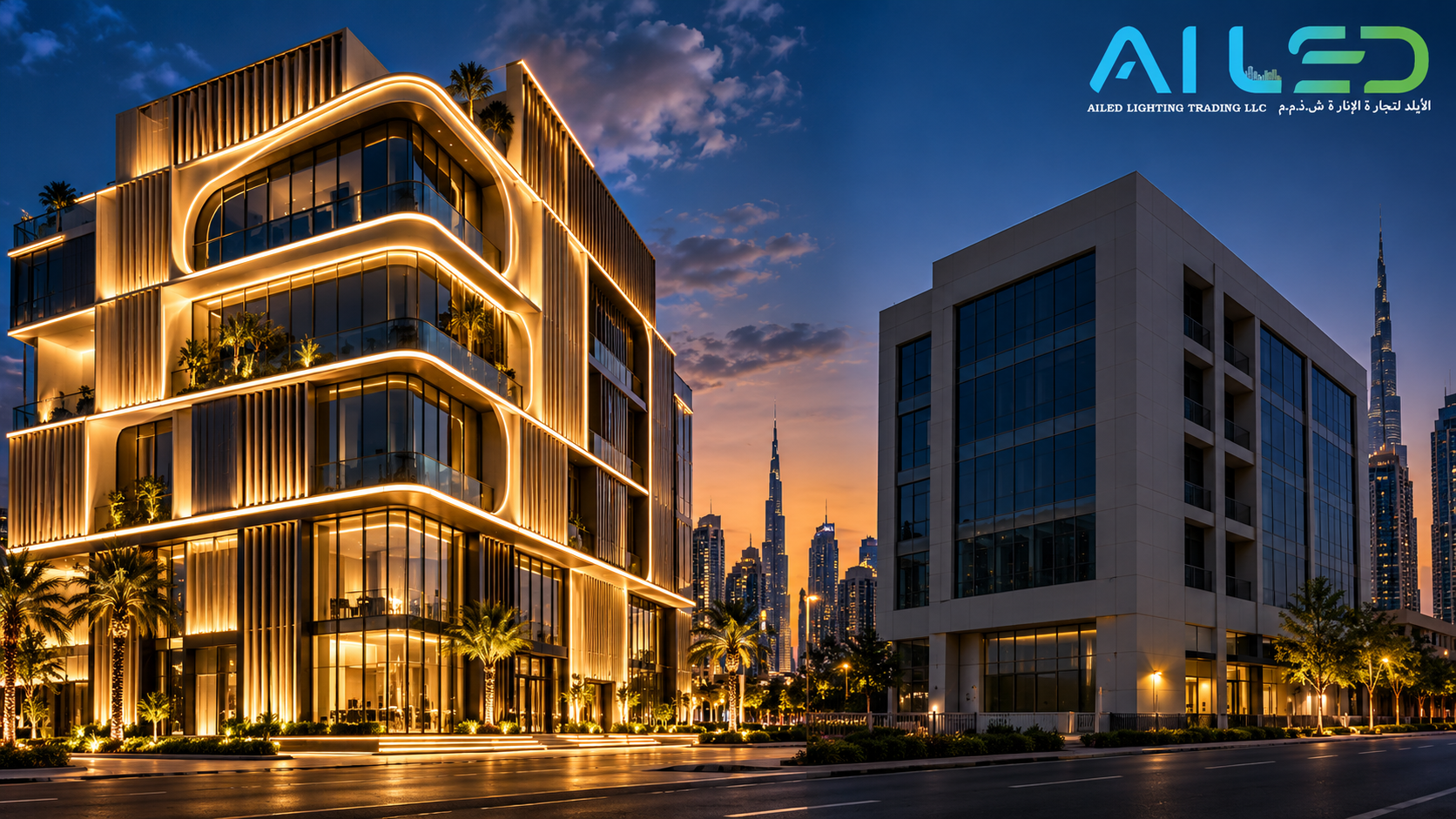
For commercial buildings, hotels, offices, residential towers and retail developments, thoughtful illumination can improve the overall presentation while supporting the purpose of the space.
- Understanding the Difference Between Brightness and Good Lighting
A common misconception is that brighter lighting automatically makes a building look better. In reality, excessive brightness can hide architectural details and create an unbalanced appearance.
Effective facade lighting design focuses on how light interacts with different surfaces rather than simply increasing the amount of illumination.
For example, a building with strong lighting across every wall may look flat because the entire surface receives similar brightness. Another building may use carefully positioned lights to highlight columns, textured materials, entrances and architectural edges.
The second approach creates contrast and visual interest without requiring excessive light output.
The goal is to make the building’s design visible, not to illuminate every surface equally.
2. Creating Depth Through Light and Shadow
Depth is one of the main reasons some building exteriors look impressive at night.
Architectural features such as recessed windows, projecting balconies, columns and decorative screens naturally create opportunities for shadows. When lighting is positioned correctly, these features become more noticeable.
Poorly positioned fixtures can eliminate shadows or produce harsh, distracting patterns. A more considered arrangement uses light and darkness together to reveal the building’s structure.
Architectural facade lighting in Dubai can incorporate techniques such as:
- Grazing: Placing light close to a surface to reveal stone, concrete or other textures.
- Wall washing: Illuminating a broad wall with relatively even light.
- Accent lighting: Drawing attention to selected architectural elements.
- Recessed lighting: Using concealed fixtures to maintain a clean appearance.
- Linear lighting: Emphasising edges, fins, horizontal bands and vertical lines.
Choosing the right technique depends on the building’s materials, proportions and architectural character.
- Choosing the Right Colour Temperature
Warm white lighting can create an inviting and refined appearance, making it suitable for hospitality properties, residential developments and selected architectural finishes. Neutral white can present materials with a balanced, contemporary look, while cooler white may complement certain modern commercial structures.
However, using different colour temperatures without a clear design plan can make an exterior appear inconsistent.
A successful facade lighting design establishes a coordinated colour palette that complements the building materials and surrounding environment.
Before selecting fixtures, lighting designers should consider the colour of the exterior finish, nearby buildings, viewing distances and the intended visual effect.
Consistency is particularly important for large developments where several elevations must work together as one design.
4. Highlighting Architectural Features Instead of Hiding Them
Every building has features that contribute to its identity. These may include distinctive rooflines, structural columns, patterned screens, textured walls, entrance canopies or decorative facades.
When these details are not considered during lighting planning, even an expensive installation may fail to showcase the architecture.
Building exterior lighting in Dubai should begin with an understanding of the structure itself. Designers can then identify which elements deserve emphasis and which areas should remain relatively subdued.
For example, a hotel entrance may benefit from focused lighting that creates a welcoming arrival experience.
An office tower may look more impressive when its vertical lines are emphasised. A retail development might use carefully controlled illumination to distinguish its frontage from surrounding buildings.
The best results come from working with the architecture rather than treating the facade as a blank surface.
5. Selecting Suitable LED Fixtures and Beam Angles
The performance of an exterior lighting system depends on more than fixture brightness. Beam angle, optical control, mounting position, light distribution and fixture quality all influence the final result.
A narrow beam can highlight a particular architectural feature, while a wider beam can illuminate a larger surface. Using an unsuitable beam angle may create bright spots, unwanted spill light or dark patches.
LED facade lighting design should therefore consider the distance between the fixture and the building, the height of the facade lighting design and the intended distribution of light.
Outdoor fixtures must also be selected according to the installation environment. Exposure to heat, dust, moisture and other environmental conditions can affect long-term performance.
For projects in Dubai, appropriate fixture specifications, reliable installation methods and suitable maintenance access are important considerations when developing a durable lighting solution.
6. Using Dynamic Lighting Without Overcomplicating the Design
Some buildings benefit from dynamic lighting that changes colour, brightness or lighting effects according to a programmed schedule.
DMX facade lighting design can provide centralised control over compatible fixtures, allowing designers to create coordinated scenes for events, special occasions or different operating periods.
However, dynamic lighting is not necessary for every building. Constant colour changes and complicated effects can distract from the architecture when they are not aligned with the building’s identity.
For commercial properties, hotels and landmark developments, a well-planned control system can also help operators adjust lighting schedules and manage different lighting zones.
The priority should remain architectural quality, with dynamic effects used only when they contribute to the overall design.
7. Balancing Visual Impact and Energy Efficiency
A visually attractive building should not require unnecessary energy consumption.
Modern facade lighting design can combine efficient LED fixtures, suitable optics, zoning and lighting controls to achieve the intended appearance with bettercontrol over energy use.
Timers and scheduled operating hours can help ensure that lighting runs only when required. Dimming can reduce output during quieter periods, provided the resulting light levels remain suitablefor the building’s needs.
Designers should also avoid illuminating areas that do not contribute to the intended visual result.
A carefully planned system can focus resources on the most important architectural features instead of distributing excessive light across the entire exterior.
Energy efficiency should be considered from the early design stage rather than added as an afterthought.
8. Why Professional Lighting Planning Matters in Dubai
Dubai’s architectural environment includes commercial towers, hotels, residential communities, retail destinations and distinctive contemporary buildings. Each structure presents different lighting requirements.
A solution suitable for a low-rise commercial property may not work for a high-rise tower with complex facade lighting design geometry. Likewise, lighting that looks attractive in a design visualisation may produce glare or uneven illumination when installed without proper optical planning.
Working with an experienced lighting provider can help project teams evaluate fixture placement, beam angles, control requirements, installation conditions and maintenance needs before implementation.
An experienced AILED Lighting Company Dubai team can support the development of lighting solutions tailored to architectural requirements, project objectives and the intended nighttime appearance.
For developers, architects, consultants and property owners, early coordination between the architectural and lighting teams can reduce design conflicts and improve the final result.
9. Common Mistakes That Make a Building Look Flat at Night
Several avoidable mistakes can reduce the quality of an exterior lighting installation.
Using the Same Brightness Everywhere
Uniform illumination can make a building appear two-dimensional. Different architectural elements often need different levels of emphasis.
Ignoring the Building Materials
Stone, glass, metal, concrete and textured finishes reflect light differently. Fixture placement and beam selection should account for these differences.
Creating Uncontrolled Glare
Visible light sources and poorly directed beams can distract viewers and reduce visual comfort. Shielding and accurate aiming help manage glare.
Mixing Incompatible Lighting Colours
Unplanned differences in colour temperature can make separate sections of a building appear disconnected.
Forgetting Maintenance Access
Fixtures that are difficult to reach can become expensive to maintain. Access and replacement requirements should be considered during design.
Overusing Decorative Effects
Too many colours, patterns or transitions can overwhelm the building’s architectural features. A clear lighting concept generally produces a more coherent result.
Avoiding these mistakes helps create a facade lighting design that looks intentional, balanced and visually engaging.
10. Designing a facade lighting design That Looks Beautiful After Sunset
A successful exterior lighting project begins with a clear understanding of what makes the building distinctive.
Before selecting fixtures, the design team should assess the facade lighting design materials, architectural details, surrounding environment, viewing angles and operational requirements. Lighting calculations, sample installations and nighttime testing can help validate the proposed design before full implementation.
A strong lighting concept should answer three important questions:
- Which architectural features should attract attention?
- How should light and shadow work together?
- What lighting appearance should the building maintain during everyday operation?
Answering these questions provides a foundation for an effective, coordinated lighting scheme.
For projects requiring specialist architectural illumination, AILED Lighting Trading LLC can be considered for lighting solutions that align with the building’s design objectives and functional requirements.
The objective is not simply to make a building brighter. It is to make its architecture more expressive, its exterior more recognisable and its nighttime appearance more cohesive.
Conclusion
The difference between a facade lighting design that glows beautifully and one that looks flat often lies in the quality of the lighting design rather than the quantity of light used.
Thoughtful fixture placement, balanced contrast, appropriate colour temperatures, controlled beam angles and carefully selected architectural accents can reveal the character of a building after dark. Efficient LEDs and suitable lighting controls can further support long-term operation.
For projects in Dubai, a well-planned facade lighting design can help transform an ordinary exterior into a distinctive architectural feature while maintaining practical performance and visual comfort.
With the right planning and execution, lighting becomes an integral part of the architecture rather than an addition applied after construction.
SEO FAQs
- What makes a facade lighting design look attractive at night?
Balanced brightness, controlled shadows, suitable colour temperatures and carefully positioned fixtures help highlight architectural features and create depth.
- How do I choose a facade lighting design company in Dubai?
Look for experience with architectural lighting, suitable outdoor LED products, lighting controls, technical planning and project-specific design requirements.
- Is LED lighting suitable for building facades in Dubai?
LED lighting can be suitable for Dubai facades when fixtures are selected for the environmental conditions, optical requirements and maintenance needs of the project.
- What is the role of DMX in facade lighting design ?
DMX control allows compatible lighting fixtures to produce coordinated scenes, dimming and programmed colour effects for buildings that require dynamic illumination.